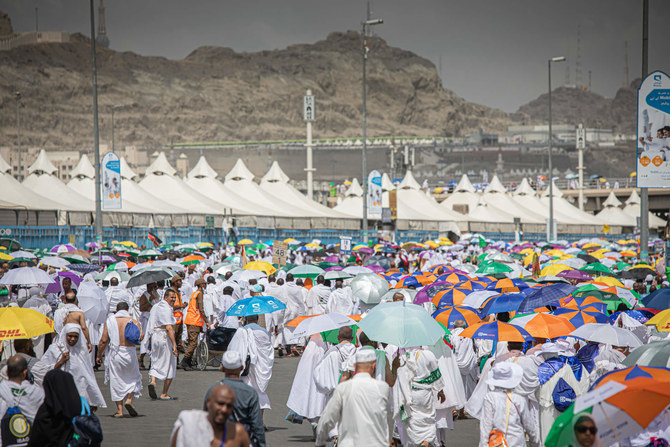
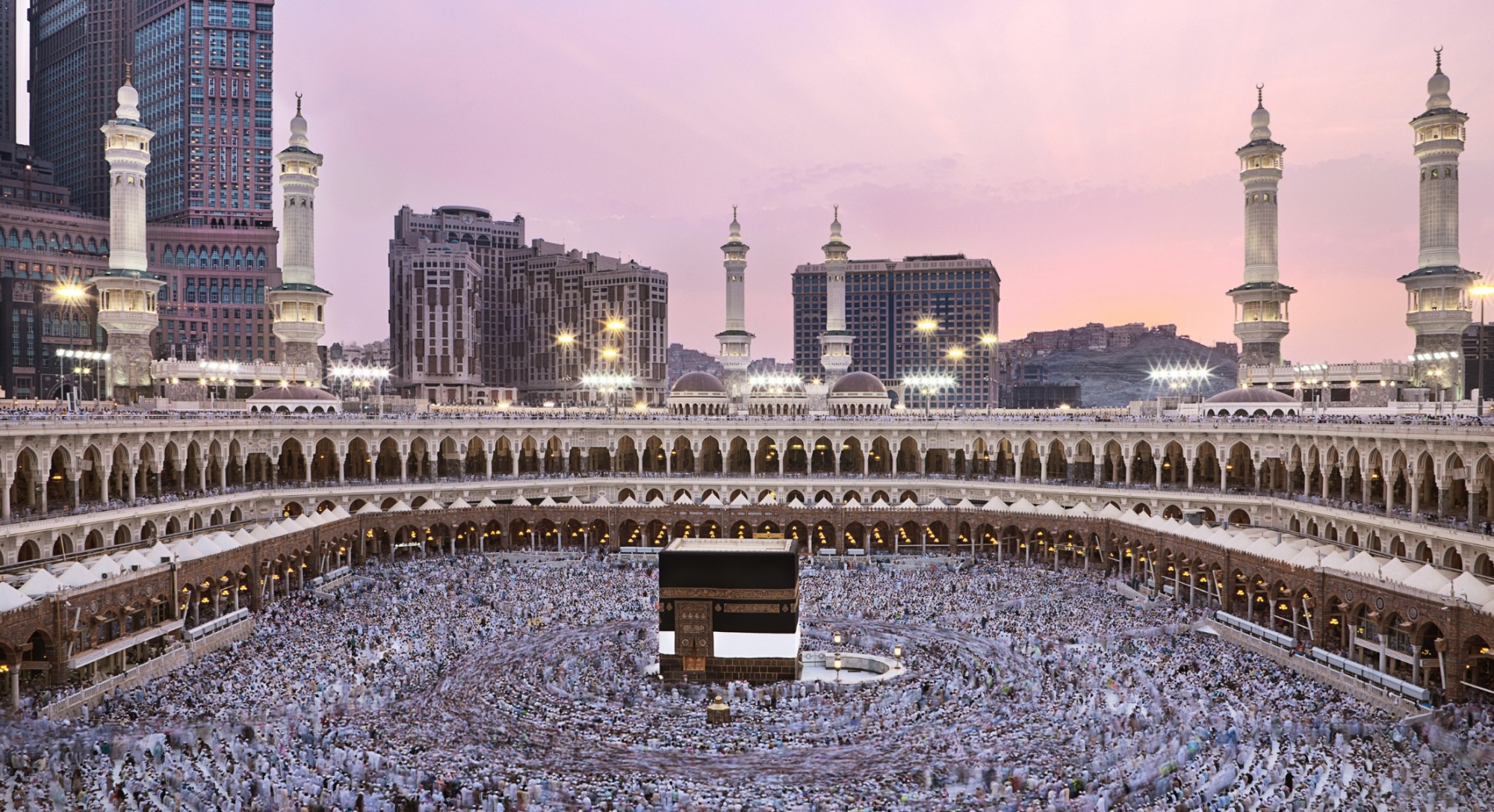
Hajj, one of the five pillars of Islam, is a process of both spiritual and physical purification for Muslims. Every year, millions of Muslims set out toward the Kaaba in response to Allah’s call.
This sacred journey is not merely an act of worship; it is a spiritual experience in which patience, humility, and brotherhood are lived at the highest level. The Virtues of Hajj Hajj is a great act of worship in the sight of Allah.
Our beloved Prophet (peace be upon him) said: “Whoever performs Hajj for Allah and does not speak obscenely or commit sin will return free from sin as on the day his mother gave birth to him.” (Bukhari, Hajj, 4) Hajj is a means for a Muslim to be purified from sins committed in the past. It also reinforces feelings of patience, reliance on Allah, and brotherhood.
People from different nations, colours, and languages sharing the same purpose in the same place in the same clothing strengthens the consciousness of the ummah. Hajj strengthens a person’s bond both with their Lord and with other Muslims.
The Pillars of Hajj There are certain essential conditions (pillars) that must be fulfilled for the act of Hajj to be valid: Ihram: Intending Hajj and accepting to observe certain prohibitions. Standing at Arafat: Being present at Arafat at a specific time one day before Eid al-Adha.
Tawaf: Circling the Kaaba seven times. Sa'i: Going back and forth between the hills of Safa and Marwa seven times.
These four elements are the indispensable pillars of Hajj. If one of them is missing, the Hajj is not valid.
Performing Hajj Correctly (Step by Step) Intention and Entering Ihram: Before beginning the Hajj journey, one enters Ihram and makes the intention. Observing the Prohibitions of Ihram at the Miqat Boundary: At the designated Miqat points, one enters the state of Ihram and observes the prohibitions of Ihram.
Arrival in Mecca and Tawaf al-Qudum: Upon reaching the Kaaba, the Tawaf al-Qudum (arrival Tawaf) is performed. Movement to Mina: The 8th
day of Dhul-Hijjah, one goes to Mina and spends time there. Standing at Arafat: The 9th
day of Dhul-Hijjah, the standing (wuquf) is performed at Arafat by combining the noon and afternoon prayers. Overnight Stay in Muzdalifah: After Arafat, one moves to Muzdalifah, where the evening and night prayers are performed together and the night is spent there.
Return to Mina and Stoning the Devil: On the morning of the first day of Eid, one returns to Mina and throws seven stones at the large devil (Jamrat al-Aqabah). Sacrifice and Shaving: The sacrifice is offered, and one exits Ihram by shaving the hair.
Tawaf al-Ziyarah and Sa'i: Tawaf of the Kaaba and Sa'i between Safa and Marwa are performed. Stoning the Devil on the Days of Tashreeq: The 2nd
and 3rd days of Eid, the stonings of the devil are performed.
Farewell Tawaf: It is the final Tawaf performed before leaving Mecca, before Hajj ends. Finally, we conclude with this prayer for all our pilgrim guests.
O Allah! Accept the Hajj of all our brothers and sisters who have set out on this blessed journey.
Forgive their sins and accept their supplications. Grant them health, patience, and ease.
Grant them to return to their homes in safety and to share this spirituality with their loved ones. Give peace to their hearts and light to their paths.
And grant us too, one day, to set out on this blessed path. Amen.